We’re living in the future tense, where drinks brands are designing for the moment you’ll remember rather than just the moment you’re in. Beauty brands became aspiration engines, and now functional drinks are doing something stranger: they’re designing the hangover-free morning so you can pre-live it tonight. The shift isn’t about ingredients-it’s about chrono-economics, competing for a customer’s imagined next day instead of their present thirst.
Last Tuesday I stood in a lift and took a #liftselfie, which sounds completely ordinary except it wasn’t. Since closing our offices a few years ago, I rarely attend spaces with more than a couple of flights of stairs, which means the lift selfies gradually faded from my feed and then from my memory until I found myself in that lift again.
My friend Sophia Brockman is building a drinks startup called Nice One, and in a recent post, she shared an emerging retail insight: drinks are the new beauty. I’ve advised a number of drinks brands over the last few years-beer, gin, functional beverages-and every founder was working from a different headspace. Yes, there was passion for the product and interest in the science, but they were all seeking some future moment shaped by our current experiences.
As Sophia writes:
“I’m already finding my people: the serial socialisers, the modern parents, the pilates/run clubbers: they all want the ritual and the big night, but they’ve got plans tomorrow too.”
I’ve started calling it chronoschmertz: the painful awareness of the velocity of time, specifically the feeling of homesickness for a room, a relationship, or a life era while currently standing directly inside it.
The Insta-Moment and a Life Lived in Moments
Chronoschmertz manifests in how we live our lives, how we capture moments via social media, tell their story in retrospect and consume participation in community through doomscrolling, likes, comments and shares.
As I bloomscrolled through my feed while writing this, I got it-wave after wave of faces, people and experiences swept back over me. Those thousands of photos backed up on digital servers dotted around the world didn’t take me out of the moment in the past, but instead packaged it up as a gift for future me, always ready and waiting for that emotional ground point where I took the time to invest in chronoschmertz so when I need it, I can be anchored in time, space and memory.
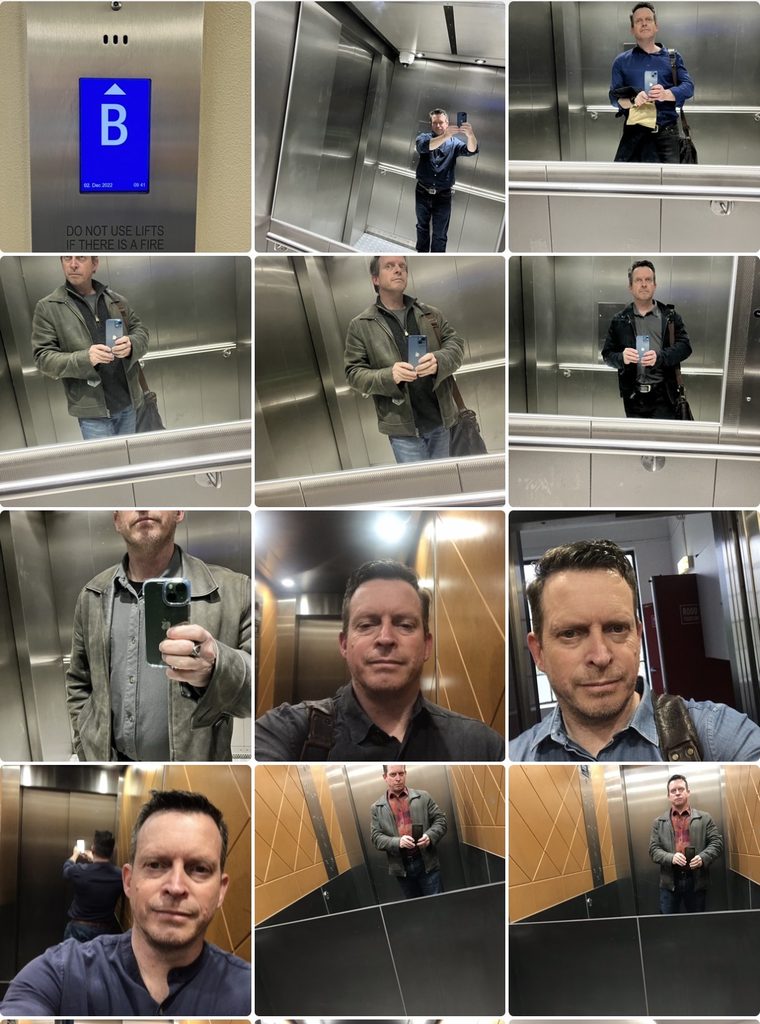
The lift selfie is trivial, but it’s also a breadcrumb, a timestamp, a way of saying: I was here, and one day I’ll want to remember what here felt like.
Drinks as Future-Memory Architecture
Sophia’s insight about drinks being the new beauty isn’t just category analysis – it’s about what people are actually buying. Beauty sold aspiration, the person you wanted to become, while drinks are now selling something more complex: the experience you want to remember having had.
Think about the language: “Big night, but I’ve got plans tomorrow too.” That’s not a product benefit so much as temporal infrastructure, where you’re not buying a drink as much as you’re buying the licence to occupy two moments simultaneously, the ritual of now and the clarity of tomorrow morning.
The functional drinks category isn’t displacing alcohol by being virtuous or healthy, but rather by offering better chrono-economics, where the value proposition isn’t what you avoid (hangover, regret, lost productivity) but what you gain access to: both the social moment tonight and the 7am run tomorrow.
When I advised those drinks founders, the ones who succeeded weren’t optimising for taste or price point or shelf presence, but rather for the story their customer would tell three days later, which meant the brand became part of how someone narrated their own life back to themselves.
We’re All Building Memory Futures Now
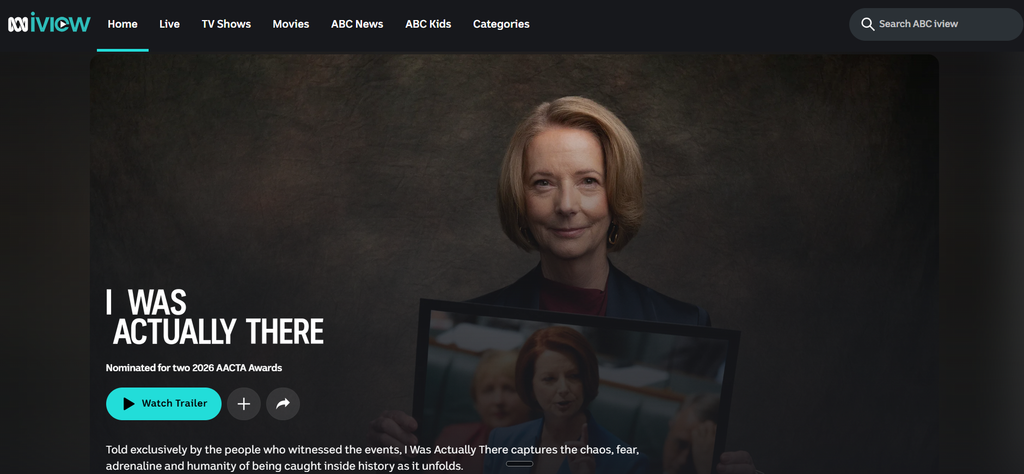
This pattern shows up everywhere once you see it, where we don’t take photos to remember so much as we take photos to have remembered. The photo isn’t a record of the past but infrastructure for a future self who will want proof they were present. We see this in TV shows like I Was Actually There – a show that is part memoir, part documentary.
Social media didn’t make us vain so much as it made us time-travellers, where every post becomes a message to a version of yourself you haven’t met yet, saying: this mattered, and here’s the evidence.
Sophia’s functional drinks customers aren’t health-conscious in the old sense, they’re time-conscious. They’re managing across two moments – the social present and the productive morning-and they need a product that lets them occupy both without lying about either.
Nice One works as a brand name because it captures both moments in two words, serving as the affirmation you give someone in the room (“nice one, I’ll have another”) and the quiet satisfaction you feel the next morning when you wake up clear-headed with your plans intact.
What This Means for How We Build Anything
If drinks are competing on chrono-economics, what else is? Software that promises to save you time isn’t selling efficiency but a better future you, while wellness apps aren’t tracking your present state so much as constructing a narrative you can look back on.
The old framing was: solve a problem, deliver value, earn loyalty, while the new framing asks you to give someone infrastructure to narrate their own life in a way that makes sense to them later.
Chronoschmertz used to be a private experience – standing in a childhood home one last time before it’s sold, or looking around a room full of colleagues on your last day. Now it’s designed into product strategy, which means we’ve industrialised nostalgia before the moment has even finished.
Maybe that’s not cynical, though, because we’ve always been homesick for the present while standing inside it. Now we have tools and products that acknowledge that strange doubled consciousness instead of pretending it doesn’t exist.
So when you’re building your next product, campaign, or category, ask this: what future memory are you designing for? Not what problem you solve today, but what story you make possible tomorrow, because your customer isn’t just living their life – they’re already remembering it.